Lead
Postpartum recovery is not a luxury—it is a necessity for every mother. Yet in the Philippines, many new mothers focus only on outward appearance while neglecting deeper health concerns. Medical experts warn that untreated conditions such as diastasis recti and pelvic floor dysfunction can lead to long-term complications including chronic back pain, body deformation, urinary incontinence, and even uterine prolapse.
Body
International studies reveal that over 60% of postpartum women suffer from some degree of abdominal muscle separation, while pelvic floor dysfunction is even more prevalent. Unfortunately, in the Philippines, most women receive no systematic screening or rehabilitation, often dismissing discomfort as an “inevitable consequence of childbirth.”
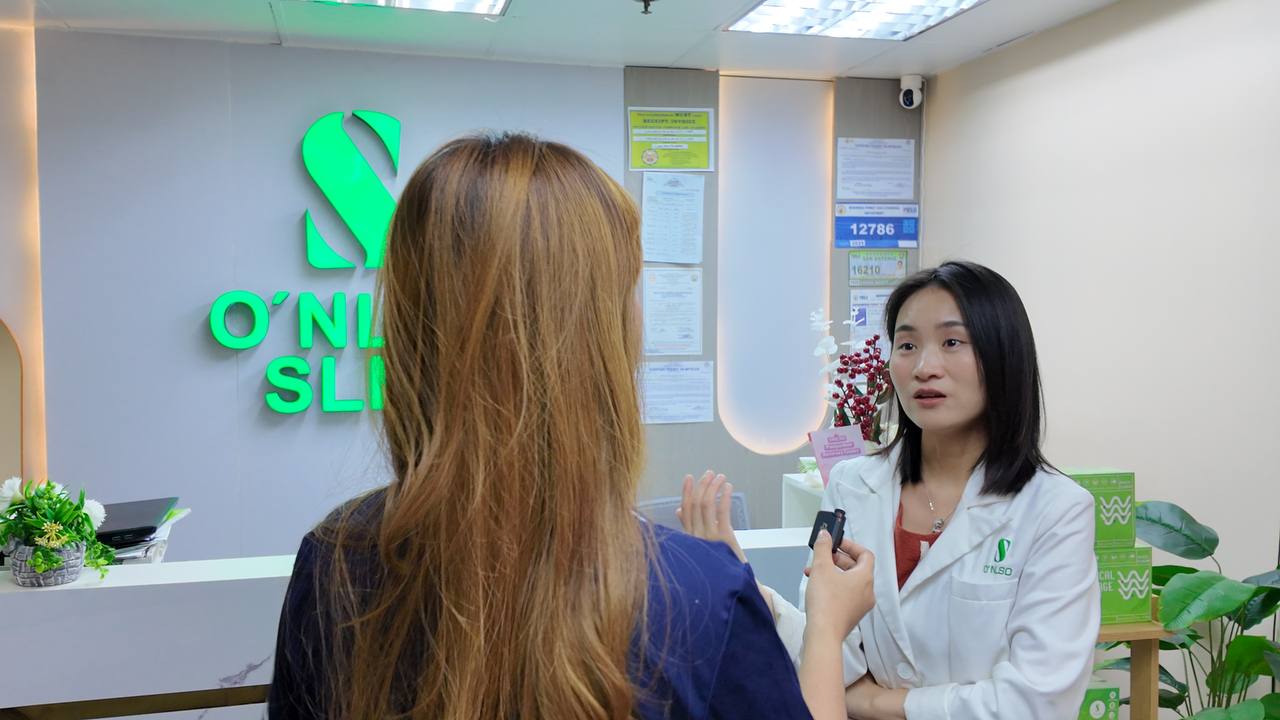
According to Tracy, an expert at ONLSO Postpartum Recovery Chain Center in the Philippines:
“Without proper postpartum recovery, mothers may struggle with body shape in the short term, but the long-term risks are more severe—chronic back pain, urinary incontinence, and in extreme cases, uterine prolapse. These issues affect not only physical health but also emotional well-being.”
Compared to developed countries such as the U.S. and Japan, postpartum recovery services in the Philippines remain underdeveloped. Hospitals rarely offer specialized rehabilitation, leaving a significant gap in women’s healthcare.
ONLSO’s Response
To address this need, ONLSO has established a Postpartum Recovery Chain Center in the Philippines, offering international-standard rehabilitation programs:
·Diastasis Recti Assessment & Training: Scientific evaluation and core restoration.
·Pelvic Floor Rehabilitation: Effective treatment for postpartum incontinence and dysfunction.
·Body & Youth Management: Supported by UEMS technology to restore body shape and confidence.
Conclusion
Experts emphasize that postpartum recovery is not optional but essential for long-term health. By providing systematic and professional services, ONLSO offers Filipino mothers safe and scientific recovery options—bridging the gap between local practices and global standards.