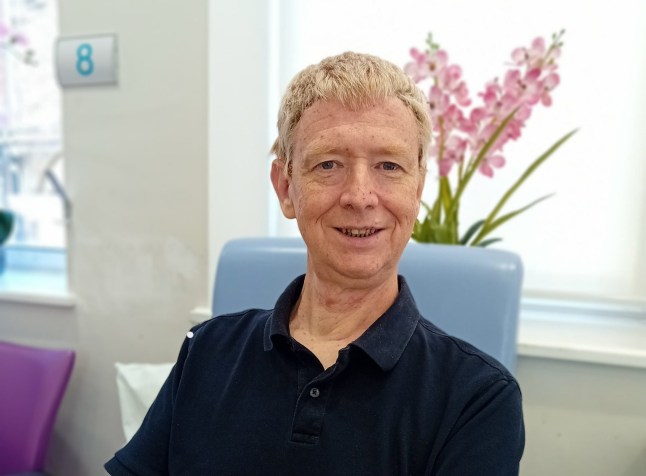
Carl Walsh,who took part in the trial,said: ‘I now feel able to live a normal life’ (Picture: Institute for Cancer Research/PA)
A new cancer jab has shown ‘unprecedented’ results in eradicating entire tumours,doctors have said after early stage trials.
The jab,called amivantamab,brought dramatic changes within weeks for some patients,in a trial spanning 11 countries.
The triple-action injection was offered to patients whose cancers had resisted normal treatment in an international study by the Institute of Cancer Research (ICR).
Some 42% of patients saw their tumours shrink,while 15 people found the drug had melted the tumours away completely.
Professor Kevin Harrington,a consultant oncologist at the Royal Marsden NHS Foundation Trust,said: ‘These are unprecedentedly strong responses in patients whose disease has become resistant to both chemotherapy and immunotherapy.
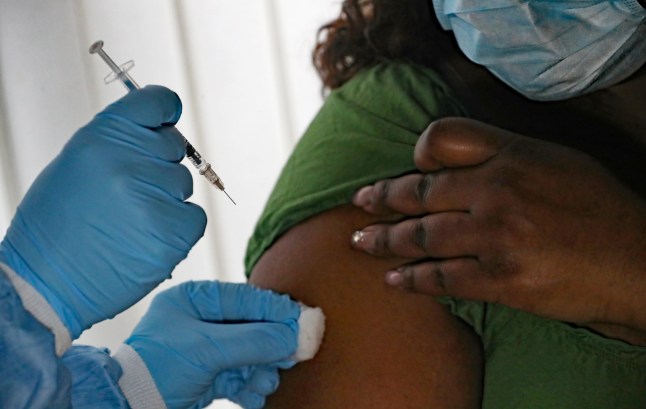 The treatment can be given with a simple jab (PA)
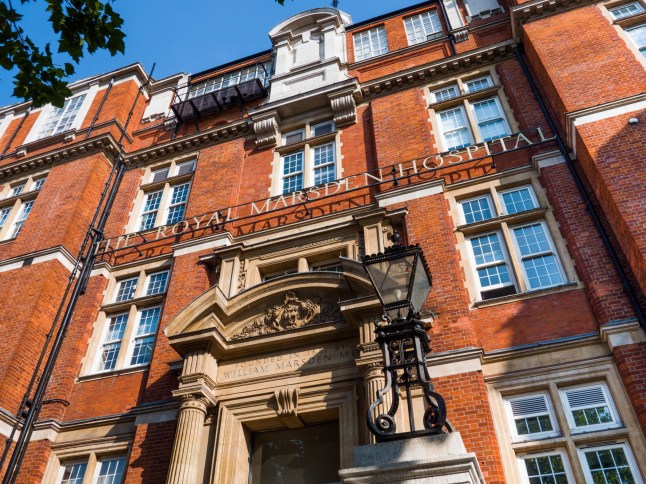 The Royal Marsden Hospital is a specialist cancer treatment hospital in London (Shutterstock)The trial included patients from 55 hospitals in 11 countries whose cancer type was projected to have ‘very poor outcomes’.Despite this,those who received amivantamab saw their tumours start to respond within about six weeks of starting the treatment.Carl Walsh,56,from Birmingham,joined the study at The Royal Marsden in July 2025 after chemotherapy and immunotherapy were both unsuccessful for his tongue cancer.‘I now feel able to live a normal life. Before starting the trial,I struggled to speak properly and found eating difficult because of the swelling and pain.‘Since beginning treatment,the swelling has reduced significantly,and my pain levels have improved considerably.‘I’m also no longer experiencing the same life-impacting side effects that I had during chemotherapy.’The injection is also faster,more convenient for patients,and ‘significantly easier’ to deliver in outpatient clinics,the ICR said.The injection,developed by pharma giant Johnson & Johnson,is now being tested in about 60 clinical trials,mainly for lung cancer,but also for colorectal,brain and gastric cancers.Professor Kristian Helin,chief executive of the ICR,said: ‘Achieving this level of tumour response and encouraging survival outcomes in such a challenging to treat group represents a significant step forward.’Get in touch with our news team by emailing us at .For more stories like this,check our news page.